

Modern Methods of Construction
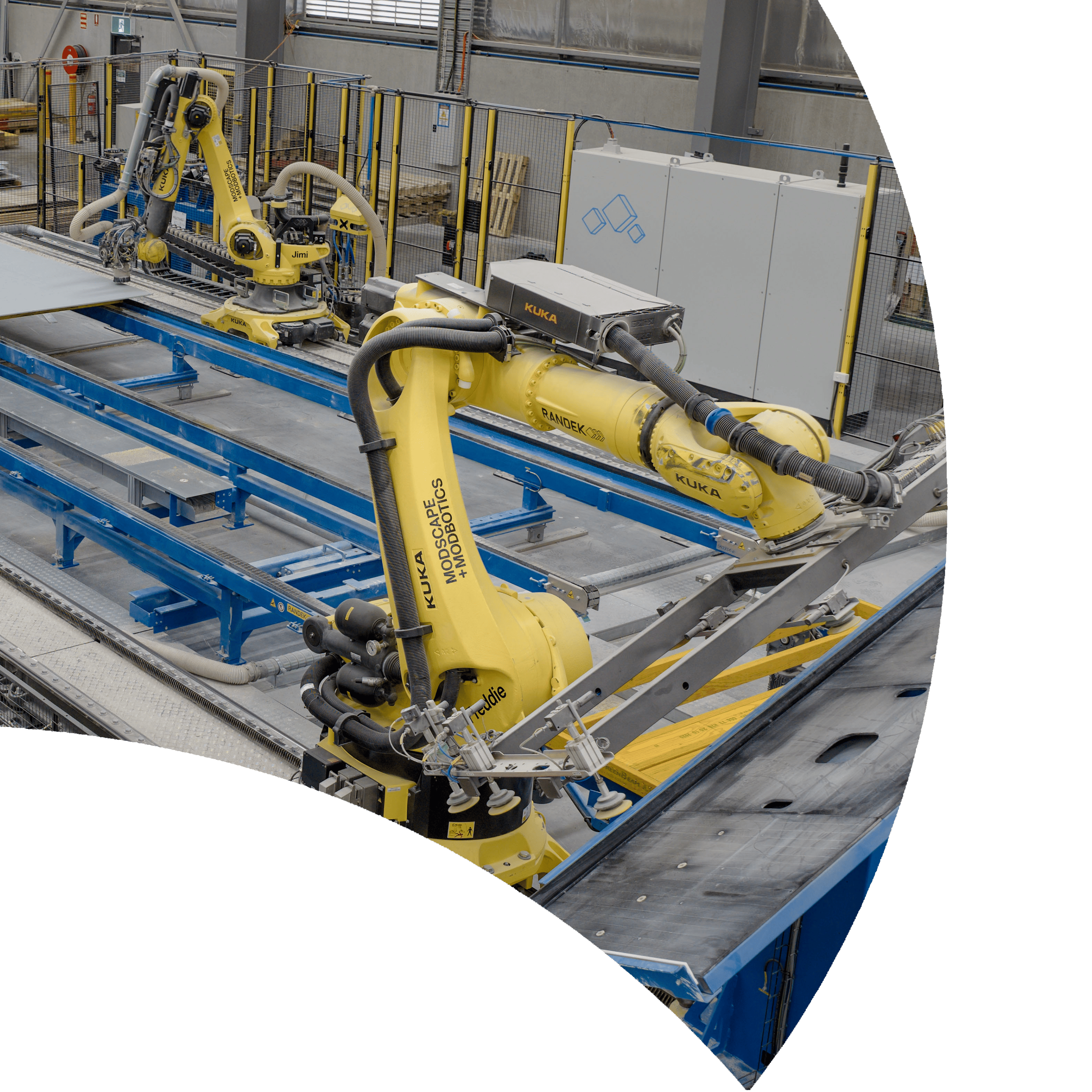
Modern Methods of Construction (MMC) offer the potential to expand Australia’s construction capacity through more productive ways of building.
But what does this shift mean for the people who design, manufacture and deliver our homes and infrastructure?
This report examines the workforce implications of industrialised construction and how Australia’s education and training system can respond.
Skip to:Key Findings
What the research found
The production structure is beginning to shift
Australia’s construction industry is showing early signs of industrialisation. The report’s new value-chain analysis finds growing reliance on manufacturing inputs and professional services. While the shift remains early and uneven, continued industrialisation will change where work is performed and the mix of skills required to deliver buildings and structures.The most important capability gap is upstream
The most important skills bottleneck in the MMC transition is among the professionals and paraprofessionals who conceive, design and coordinate projects. Designers, engineers, project managers, draftspersons and client-side planners need stronger capability in design for manufacture and assembly, system integration and MMC-oriented documentation.Existing pathways provide much of the foundation
MMC changes how work is organised, but most required skills can be supported through existing manufacturing and construction education and training, licensing pathways and occupational roles. Structured workplace learning can provide process-specific capabilities, while targeted upskilling can address emerging gaps. Broader training reform should be guided by evidence of demand.Priorities for workforce development

Learn More